
Leaders and specialists: who tops the individual stats
Five matchdays have been enough to put both familiar and more surprising names in the spotlight. Some are leading the way in front of goal, others are creating chances, breaking lines with their runs or making an impact without the ball. Goalkeepers have also played a decisive role in the strong starts made by some of the season’s early surprises.
After looking at the team stats, we now turn our attention to the individual leaders. Goals and Expected Goals tell only part of the story. Passing, dribbling, duels and recoveries provide a broader picture of who is making an impact, and more importantly, how.
Malen and Lautaro lead the attack
Roma and Inter’s strong starts have inevitably been led by Donyell Malen and Lautaro Martínez, who also rank among the leaders in the main attacking categories. The Dutchman leads the scoring charts with 6 goals, while the Argentine tops Serie A for Expected Goals (4.7). Malen leads the way for xGOT (5.7).
Two different types of centre-forwards in terms of their playing styles and involvement in the game, they have already featured in an in-depth comparison in our Malen vs. Lautaro: the battle of the strikers.
Malen’s numbers also show how often he gets himself into scoring positions. Along with his six goals, the Roma forward has missed 6 big chances, the most in the league alongside Marcus Thuram, ahead of Douvikas and Gonçalo Ramos (5).
Not everyone, however, has needed to be inside the box to make an impact. Mastantuono, Højlund and Çalhanoğlu have already scored twice from outside the box, while Diego Moreira has made the biggest impact in terms of minutes played, averaging 2.13 goals per 90 minutes, ahead of Malen (1.57).
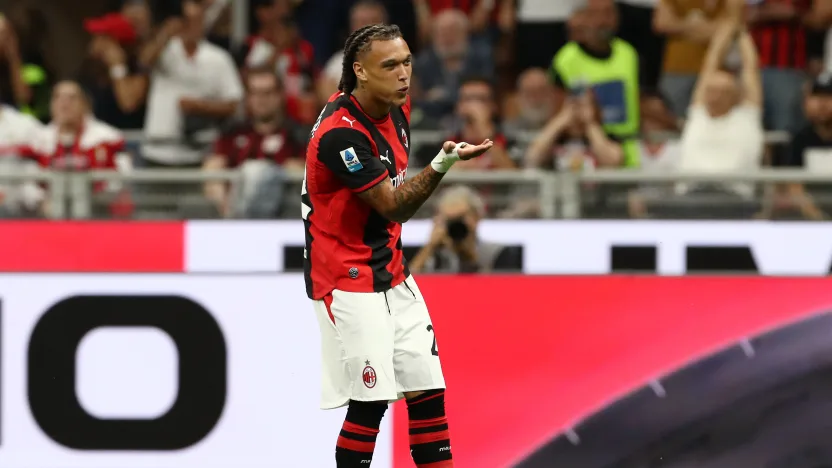
The Rossonero also leads the overperformance ranking relative to Expected Goals at +2.2, followed by Çalhanoğlu (+1.9, thanks to two goals from just 0.1 xG) and Malen (+1.4). At the other end of the scale is Kolo Muani, at -2.0 relative to his Expected Goals total.
Shooting often, shooting well
Changing the metric also changes the leaders. When we look at shots per 90 minutes, Lautaro leads the way with 6.1, followed by Jesús Rodríguez and Castro, both on 6. Shots on target per 90 minutes, meanwhile, puts Parma’s Romero (3.8) at the top, ahead of Berardi (3.0) and Kean (2.8).
In terms of total attempts, Nico Paz leads the way with 27, while Malen has the most shots on target, with 10. Looking at how those chances are created, Nico Paz also leads Serie A for shots following a possession sequence (19), ahead of Mastantuono (18) and Malen (16). Akor Adams, meanwhile, has recorded the most shots following a counterattack, with five
Dybala creates, Malen finishes
If Malen is Roma’s main attacking outlet, Paulo Dybala is the perfect complement when it comes to creating chances. Roma’s attacking variety relies on the two players fulfilling different but highly compatible roles: one creates and sets up chances, while the other consistently attacks the goal.
La Joya leads Serie A for completed passes in the final third (125), assists (4), Expected Assists (3.4), big chances created (8) and chances created (22). With four through balls, he also sits atop the rankings alongside Taylor.
Behind Dybala, one of the more unexpected standouts of the opening rounds is Giacomo Calò, who ranks second for both chances and big chances created. The two showcase two very different ways of creating danger. Dybala relies primarily on his quality and combinations in the final third, while Calò makes greater use of long passes, balls played in behind and set pieces.
Looking more broadly at build-up play, Perrone leads Serie A for passes from open play per 90 minutes, with 83.91, ahead of Bastoni and Ferguson. In terms of total numbers, Bologna’s Scottish midfielder leads the league for completed short passes, with 394, ahead of Bastoni and Pavlovic.
The leader changes again out wide, where Wesley is the league’s top crosser, with eight completed crosses.
Dribbling and carries: breaking the line with the ball at your feet
Not every advantage comes from a pass. Dribbling and carries measure another key quality: the ability to beat an opponent directly, gain ground and break the opposition’s line.
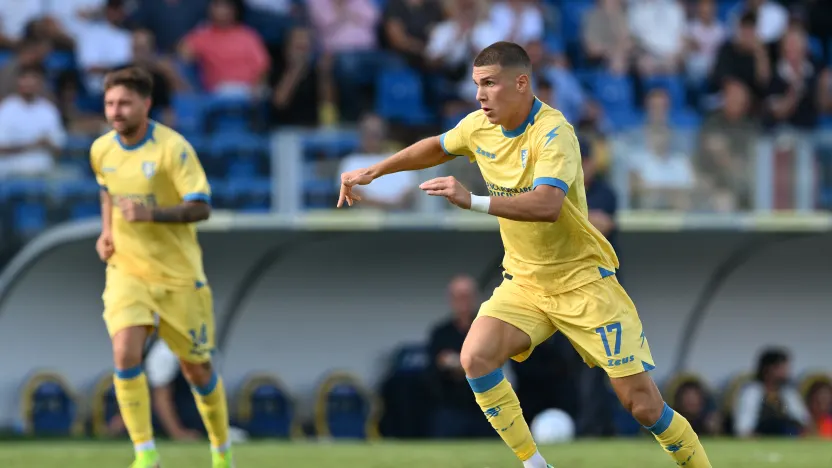
Zuriko Kvernadze leads the way for successful dribbles, with 16, ahead of Diao’s 12. When adjusted for minutes played, however, Lecce’s Amar Fatah stands out, averaging 5.5 completed dribbles per 90 minutes. That is an impressive figure, although it comes from just 99 minutes of action. Mastantuono, meanwhile, has attempted the most dribbles without success, with 18
Kvernadze also ranks among the players who most often turn a carry into a shot, with nine shots created from carries, the same number as Laurienté. Diao, meanwhile, combines his ability to progress with an impressive final ball, leading the way for chances created after a carry (12). The most interesting case, however, is Mateo Pellegrino. After establishing himself at Parma primarily as a physical presence and penalty-box striker, the Argentine has already created two goals through his own carries, the most in the league.
When more space opens up, players starting from deeper positions also come into the picture. Zieliński leads Serie A for distance covered through progressive carries (671 meters), ahead of Diao and Heggem. Bologna centre-back Heggem, meanwhile, leads the league for progressive carries, with 58, just ahead of Zieliński’s 56.
In terms of frequency, Jay Robinson leads with 17.2 carries per 90 minutes, narrowly ahead of Kolo Muani (17.1).
Nico Paz: quality across the pitch
Among all the specialists, there are also players who rank highly in categories that seem worlds apart. Nico Paz is perhaps the best example of a player capable of making an impact in a variety of ways.
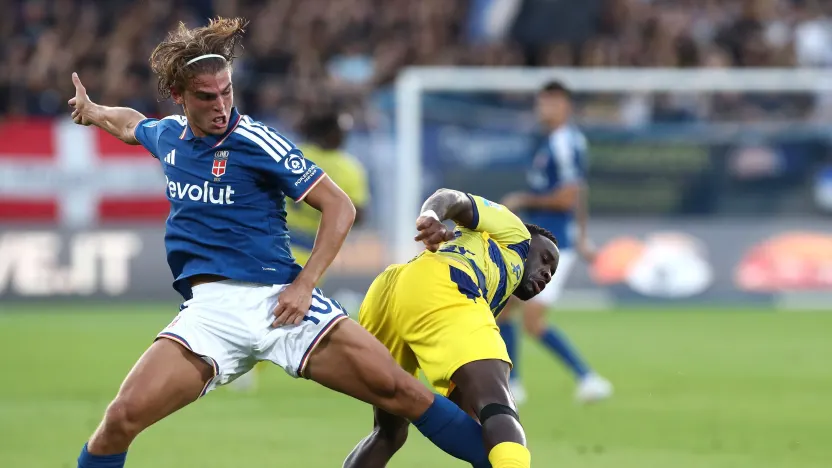
The Argentine has taken more shots than anyone else (27 attempts) and ranks second for completed passes in the final third (112). But his impact extends beyond possession. No player has won more ground duels (35) or made more tackles (19). He leads Kvernadze (32) in ground duels and has also made more tackles than defensive specialist Masini (16).
A key figure in build-up play, involved in the final third and finishing, while also contributing to winning the ball back. Few sets of numbers better illustrate just how much of the pitch he covers.
Duels, recoveries and work off the ball
Further down the pitch, a new group of leaders emerge. Rrahmani dominates the aerial duels, winning 34, ahead of another specialist, Leo Østigård. Hermoso and Frendrup lead the way for interceptions, with 16 each. Giorgio Cittadini tops Serie A for defensive actions per 90 minutes (15.6), ahead of John Stones, while Anthony Oyono leads the league for ball recoveries, with 32, just ahead of Matic (30).
It is also worth looking at where those recoveries happen. Saelemaekers and Venezia’s Correia lead Serie A for recoveries in the final third per 90 minutes, with 2.4 each, followed by young Alajbegović (2.0). Further back, Kessié and Rovella lead the way for midfield recoveries, with 6.4 per 90 minutes, ahead of Çalhanoğlu (5.3). Some players also stand out for how quickly they turn a recovery into an attacking opportunity. Alajbegović (1.97 per 90 minutes) and Soulé are among the league leaders for shots following a recovery, adjusted for minutes played.
Goalkeepers making the difference
We finish with the goalkeepers, where the number of saves and how often they make them tell two different stories.
Wladimiro Falcone continues to be a key figure for Lecce and leads Serie A for saves per 90 minutes (5.4), ahead of Carnesecchi (5.0). When it comes to save percentage, however, no one can match Elia Caprile, who leads the way at 90.5%, ahead of Mandas and Palmisani.
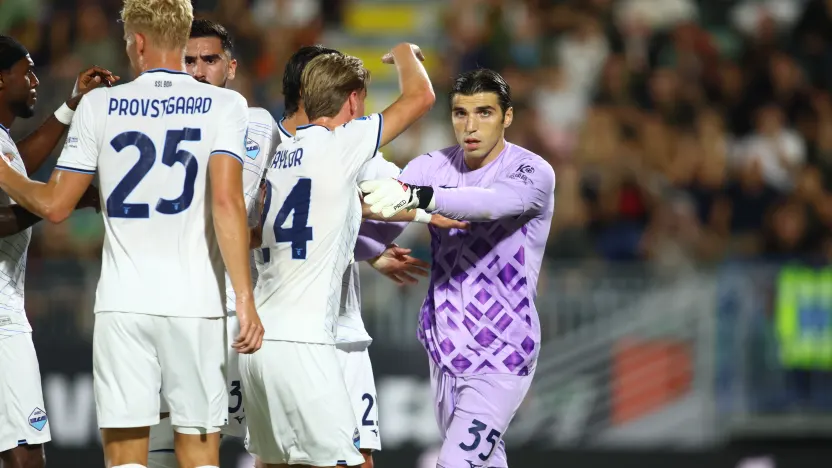
The same names feature among the leaders for goals prevented, but in a different order: Mandas (+3.4), Palmisani (+3.0) and Caprile (+2.6). Among Italy’s young goalkeepers, Edoardo Corvi is also making his mark, leading the league for saves from shots taken inside the box, with 15. Filip Stanković, meanwhile, has the most recoveries of possession, with 56.
The goalkeeping numbers also help explain two of the league’s most surprising starts. Cagliari and Frosinone have the biggest positive differences between Expected Goals conceded and goals allowed, with Caprile and Palmisani playing a key role.
From goals to winning the ball back, individual skill to the final save, five matchdays have already started to shape the individual pecking order in Serie A. The numbers show us who is making an impact; the rest of the season will show who can keep it up.